Elective mole and skin-lesion removal: what to expect and cost
Thinking about having a mole or other skin lesion removed for personal or cosmetic reasons can feel stressful. This guide explains the usual self-pay process, typical costs, and questions to ask before you schedule a consultation.
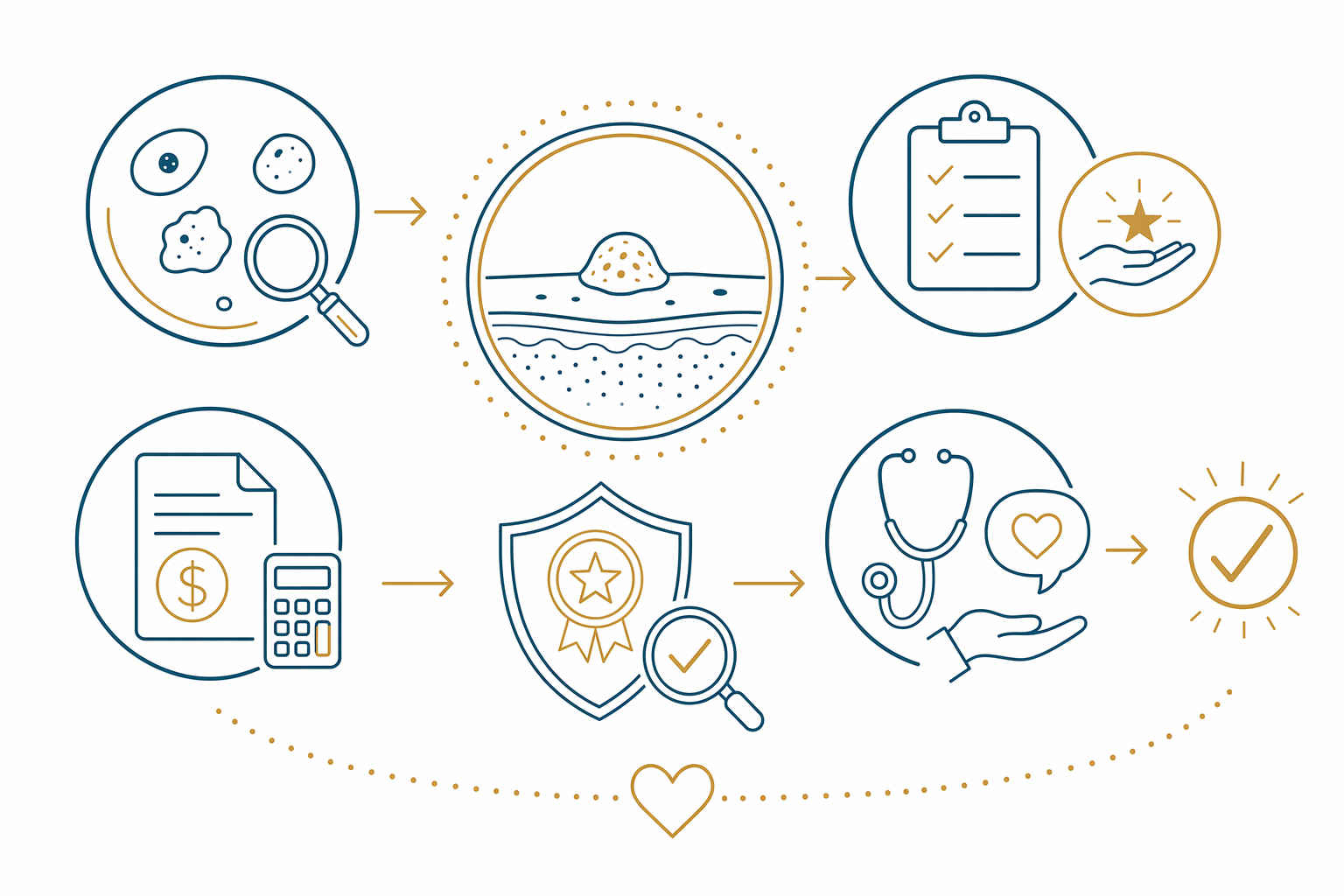
What this page covers
Some people choose to remove a mole, cyst, lipoma, skin tag, or other visible skin lesion because it catches on clothing, feels bothersome, or affects appearance. When the goal is personal preference or comfort and you plan to pay yourself, this is usually treated as an elective procedure.
ClariSurge is not a medical practice or healthcare provider. We do not diagnose skin conditions, tell you whether a spot is dangerous, or give medical advice. We provide general educational information and can help connect you with a board-certified surgeon for a self-pay consultation.
If you are worried that a mole or lesion may be changing, painful, bleeding, or otherwise concerning, medical decisions should be made with a qualified physician. Our service focuses only on self-pay elective procedures, not insurance-covered or medically necessary treatment.
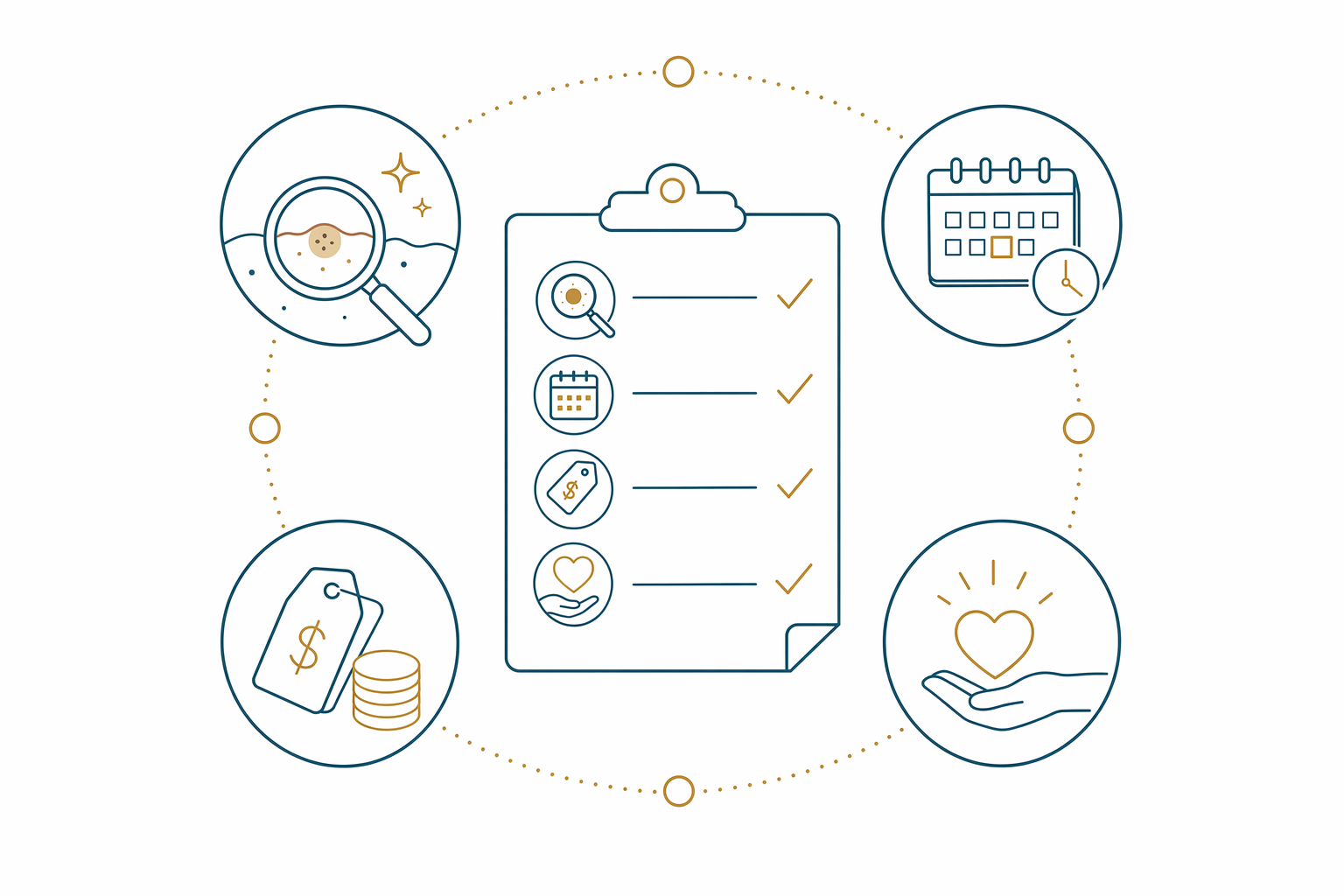
How elective mole or lesion removal usually works
The exact approach depends on the type of lesion, where it is on the body, how large it is, and what the surgeon thinks is appropriate. In many cases, removal is done in an office or outpatient setting using local anesthetic to numb the area.
A surgeon may use a shave removal, excision, or another technique based on the lesion's size and location. The visit is often fairly short, but the total appointment time can be longer when you include check-in, consent forms, marking the area, and aftercare instructions.
Some removals leave a small wound that heals on its own. Others may require stitches. If tissue is sent for laboratory review, that can add cost and may affect how long it takes to get final information from the surgeon's office.
During a consultation, ask what method is planned, whether stitches are likely, whether pathology fees are separate, and what kind of scar or mark is typically possible. No surgeon can promise a specific cosmetic result.
What recovery is usually like
Recovery is often manageable, but it still takes care and patience. The treated area may feel tender, tight, or mildly sore for a few days. You may also notice redness, swelling, or a small scab as the skin heals.
If stitches are used, you may need a follow-up visit to have them removed, depending on the type of suture and the location on the body. Areas that move often, such as the shoulders, back, or joints, can sometimes feel more noticeable during healing.
Many people return to normal daily activities quickly, but you may be told to avoid friction, soaking the area, intense exercise, or sun exposure for a period of time. Healing times vary. A small lesion on one part of the body may recover faster than a larger removal in a higher-tension area.
It is important to follow the surgeon's aftercare instructions closely and ask what signs mean you should contact the office. Medical questions and personal care decisions should always go to the treating physician.
Self-pay cost ranges to expect
Elective mole and skin-lesion removal costs can vary a lot. The final self-pay price often depends on the lesion type, size, body location, the removal method, the surgeon's training, the region you live in, and whether the office charges separate fees for pathology, facility use, or follow-up.
For a simple elective removal in an office setting, a typical self-pay range might start around $150 to $500 for a small lesion. More involved removals, larger lesions, multiple lesions, or procedures requiring excision and stitches may range from about $500 to $1,500 or more. In some cases, especially if several lesions are removed or lab fees are added, the total can be higher.
Ask for the full self-pay quote in writing before you schedule. That written quote should make clear what is included and what could cost extra. You can also review our general costs information to understand how self-pay pricing is often structured.
Because this is an elective decision, it is reasonable to compare consultations, ask detailed pricing questions, and take time before choosing.
How to choose a surgeon carefully
This can be a small procedure, but choosing the right surgeon still matters. Look for a physician who is appropriately trained for the procedure you want and who can explain the plan in clear, respectful language.
Always verify board certification yourself. Do not rely only on ads, listings, or office staff. Use our guide to check board certification and ask the office directly about the surgeon's credentials and experience with the type of elective removal you are considering.
Before your consultation, it helps to prepare a list of questions. Our consultation questions guide can help you think through cost, recovery, scar care, follow-up visits, and what is included in the price.
If you want help finding a board-certified surgeon who offers self-pay consultations, ClariSurge can get you matched. Our service is free to use, and we collect contact details only, not your medical history or health records.
Important questions to ask before you book
A consultation is the right time to slow down and get clarity. You should leave understanding the basic plan, the likely healing process, and the full expected self-pay cost.
Ask the surgeon what type of removal is being considered, where the procedure would happen, how long healing usually takes for that body area, and whether pathology is recommended or optional in your situation. Ask how scars are usually managed, when makeup or skin products can be used again, and whether a follow-up visit is included.
You should also ask for a written price that lists the surgeon's fee and any separate charges. Confirm the office cancellation policy and whether touch-ups, scar treatment, or later visits would cost extra.
If you want a mole or skin lesion removed for self-pay elective reasons, get a written quote, verify board certification yourself, and make the final medical decision with a qualified physician.
Common questions
Is mole or skin-lesion removal always cosmetic?
No. Some removals are done for medical reasons, but ClariSurge focuses only on self-pay elective procedures. If you think a lesion may be medically concerning, you should speak with a qualified physician.
Will the procedure leave a scar?
Any skin removal procedure can leave some type of mark or scar. The appearance can vary based on the lesion, the technique used, your skin, and how the area heals.
Does the quoted price usually include lab testing?
Not always. Pathology or laboratory review may be billed separately, so ask for the full self-pay price in writing and confirm exactly what is included.
Can ClariSurge tell me if my mole is dangerous?
No. We are not a medical provider and do not diagnose or give medical advice. We offer general information and help connect people with a board-certified surgeon for a consultation.
What information do I share if I use ClariSurge?
We collect contact details only so we can help connect you with a participating surgeon. We do not collect your medical history, diagnosis, or health records.
How do I make sure a surgeon is really board-certified?
Verify it yourself before scheduling. You can use our guide on how to [check board certification](/guides/check-board-certification/) and confirm the surgeon's credentials directly with the practice.