Planning recovery for an elective procedure
Recovery planning matters just as much as the procedure itself. A clear plan can help you set realistic expectations, arrange support, and avoid last-minute stress with a self-pay elective procedure.
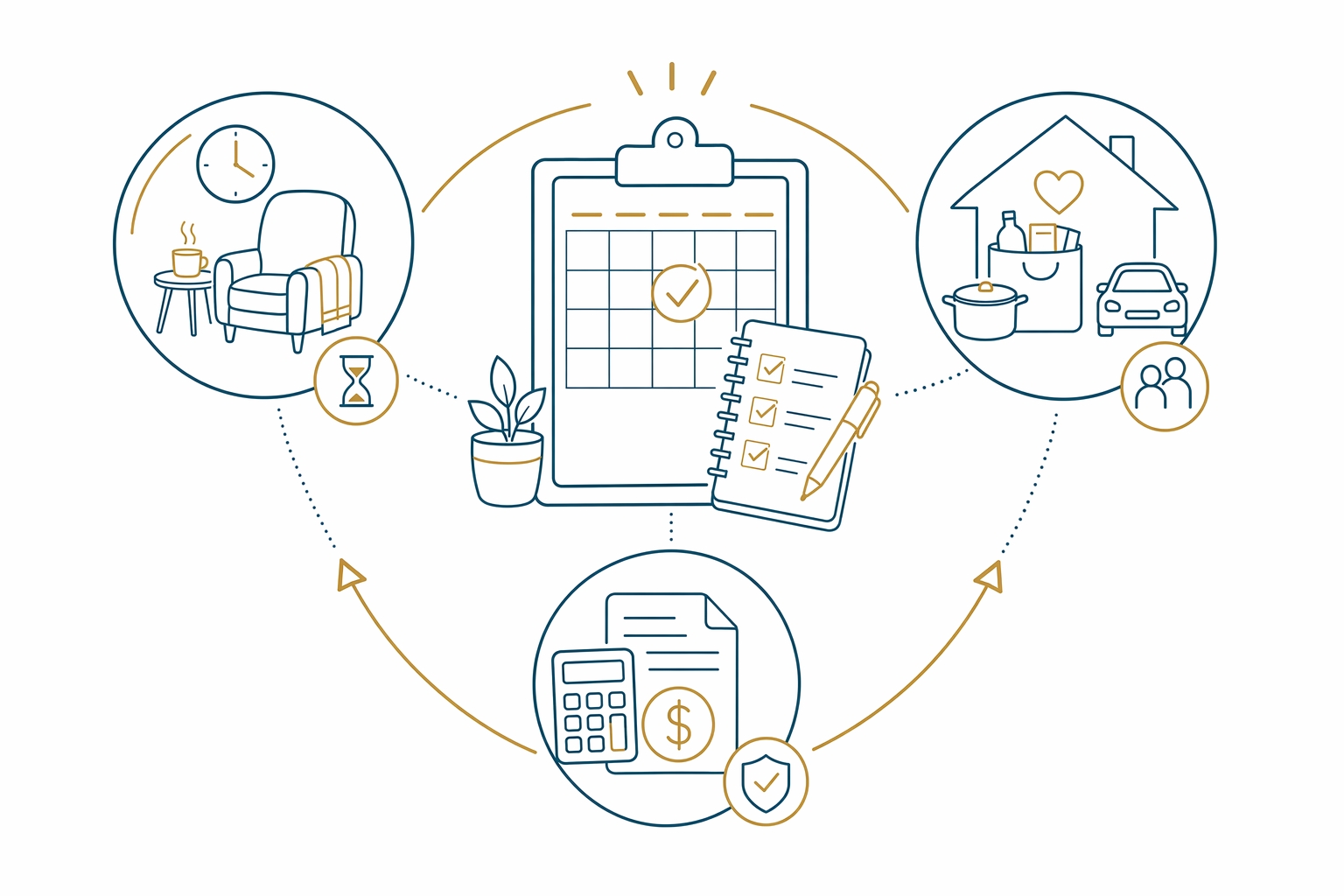
Why recovery planning matters
Elective surgery is a big decision. Many people focus on the procedure day and the price, but recovery is where daily life is most affected. Time away from work, help at home, transportation, and follow-up visits can all shape your experience.
Recovery is not the same for everyone. Typical timelines vary by procedure, your surgeon's instructions, and how your body responds. That is why it helps to think ahead before you schedule anything.
At ClariSurge, we share general educational information for people exploring self-pay elective and cosmetic procedures. We are not a medical provider, and we do not give medical advice. Medical decisions should always be made with a qualified physician.

Plan your time away from work and daily tasks
Before scheduling, ask the surgeon's office for a typical recovery timeline for that specific procedure. Ask when people often return to desk work, driving, exercise, travel, lifting, and regular household tasks. These are common planning questions, not a substitute for medical advice.
It can help to break recovery into stages. For example, think about the first 24 to 72 hours, the first week, and the next few weeks. You may need more rest than expected, even if you feel generally well.
If you work, consider whether your job is physically demanding, whether you can work from home, and whether you need to avoid lifting, standing, or long commutes. If you care for children, older adults, or pets, think through who can step in while you recover.
You can also review general procedure information at procedures and compare the full self-pay budget at costs. Always confirm the full self-pay price in writing before you schedule.
Arrange help before procedure day
Support at home can make recovery less stressful. Depending on the procedure, you may need someone to drive you home, stay with you for a period of time, help with meals, pick up supplies, or assist with children and errands.
Try to set this up before your procedure date. Last-minute planning can be hard when you are already focused on the appointment. If you live alone, ask the surgeon's office what kind of help people commonly arrange after that procedure.
Think about your home setup too. Place everyday items within easy reach. Prepare simple meals. Make a plan for laundry, trash, stairs, and pet care if movement may be limited. Small details can make the first few days easier.
Build a realistic recovery budget
The procedure fee is only one part of the picture. Recovery may come with other self-pay costs, such as prescriptions, supportive garments, supplies, transportation, child care, help at home, follow-up visits, or unpaid time away from work.
Ask for an itemized quote in writing. It is reasonable to ask what is included, what may cost extra, and what follow-up care is part of the self-pay package. Clear pricing helps you compare options more confidently.
If you are still exploring surgeons, we can get matched with a board-certified surgeon for a consultation. Our service is free to you. We collect contact details only so a participating surgeon's office can reach out. We do not collect your medical history or health records.
Know what questions to ask at the consultation
A consultation is a good time to ask practical recovery questions in plain language. You can ask about typical downtime, common activity limits, how often follow-up visits happen, when people usually feel comfortable returning to public activities, and what warning signs the office wants patients to report.
You can also ask who will answer routine post-procedure questions, what after-hours support looks like, and whether travel soon after the procedure is usually discouraged. If you are coming from another city, ask how long people commonly stay nearby before going home.
It is also wise to verify credentials yourself. Review our guide to check board certification, and confirm the surgeon's board certification directly before scheduling. Choose someone you feel comfortable speaking with clearly and respectfully.
Set expectations with honesty and flexibility
Recovery is rarely perfectly linear. Some days may feel easier than others. Swelling, bruising, fatigue, and temporary limits on normal routines may affect how social or productive you feel for a period of time. A realistic plan can help you avoid unnecessary pressure on yourself.
Try not to schedule important events too close to your procedure date. Give yourself extra margin where possible. It is often better to plan conservatively than to assume you will be back to normal right away.
Most of all, use the consultation to understand what is typical for your specific procedure and situation. General education can help you prepare, but only a qualified physician can advise you on what is medically appropriate for you.
If you are paying for an elective procedure yourself, plan recovery time, home support, and the full self-pay cost before you schedule.
Common questions
How much time should I take off after an elective procedure?
It depends on the procedure, your work duties, and your surgeon's instructions. Ask for a typical timeline for returning to desk work, physical work, driving, exercise, and lifting, then build in extra flexibility if you can.
Will I need someone to stay with me after surgery?
Some self-pay elective procedures require help with transportation or support at home for a period of time. Ask the surgeon's office what people commonly arrange, and follow the physician's instructions for your situation.
What extra costs should I plan for during recovery?
Beyond the procedure fee, people may have self-pay costs for prescriptions, garments, supplies, rides, child care, help at home, or time away from work. Ask for the full self-pay price in writing and what is included.
Can ClariSurge tell me how long my recovery will be?
No. We provide general educational information only and do not give medical advice. Recovery timelines vary, so medical guidance should come from a qualified physician during your consultation.
Does ClariSurge need my medical records to connect me with a surgeon?
No. We collect contact details only so a participating surgeon's office can contact you. We do not collect your medical history, diagnosis, or health records.
How do I know if a surgeon is really board-certified?
Verify it yourself before scheduling. You can start with our guide to [check board certification](/guides/check-board-certification/) and then confirm the surgeon's credentials directly with the appropriate board.
Do you help with insurance-covered surgery?
No. ClariSurge focuses only on self-pay elective and cosmetic procedures, not insurance-covered or medically necessary surgery.